Listening to the water

???????????????????????????????????????????????????????????????????????????????????I have taught many people to swim, of all different shapes, sizes backgrounds and experiences. It is endlessly fascinating because although what I am teaching is always the same, every person I teach is different. Each person approaches the water, and the learning process in a different way. Some are very frightened, especially if they have had a bad experience that has put them off being in the water, some are impatient not understanding that to learn to swim, to really learn, can take years. Many adults are embarrassed that they can’t swim, or embarrassed about their bodies in some way. I am so focused on the teaching that I don’t quite see the body as such, just a way of being in the water, that is often reflected in the way someone holds themselves on land.

I have no proof but I do believe that learning to swim , or improving your relationship with water, impacts on the rest of your life. I try to teach people to listen to and to feel the water. One of my pupils said to me the other day ‘when I swim like that the water feels much softer‘.  That is exactly what I am aiming for, and my idealistic self believes that learning to experience the softness of the water will help you to live a more contented, connected sort of life.

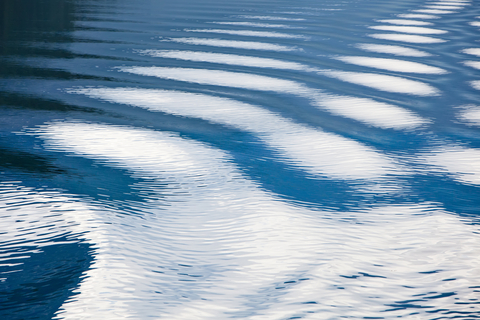
When I teach the children to swim I get them to listen to the water. After they have jumped in I get them to be very quiet and put their ears down to the water, to listen to the tiny bubbles fizzing.
Water wings

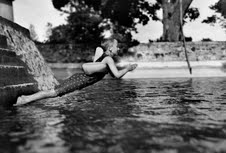
bellyflopI rarely use buoyancy aids when teaching swimming as they upset the body’s natural balance. Certainly this poor boy is not going to be helped by his water wings and is definitely about to do a belly flop; the rule for diving being, of course, ears between the arms and head down.

But I do love this photo by Jaques Henri Lartigue

Radio programme on mindful swimming by sports journalist Sam Petherick

Sports journalist Sam Petherick interviewed me about my approach to teaching swimming. Listen to the clip here. http://

“I am the water”

ripplesIn my swimming classes I often get the children to play a game where they have to imitate something you find in the water and the others have to guess what it is. We’ve had loads of jelly fish, mermaids, dolphins, an island, sand, stones and various other things. The other day one little girl was wriggling along in a way that could have been interpreted as almost any of the things above. We guessed and guessed but no one could get it. In the end we gave up and she said

I am the water.”

She was being the actual water itself.

Genius.

Half of primary school aged children can’t swim

????????????????????????????????????????????????????????????????????????????????????A report out this week shows that partly due to poor provision of swimming lessons in schools more than half of 7 – 11 year olds in the UK can’t swim.

More info from BBC report

Butterfly

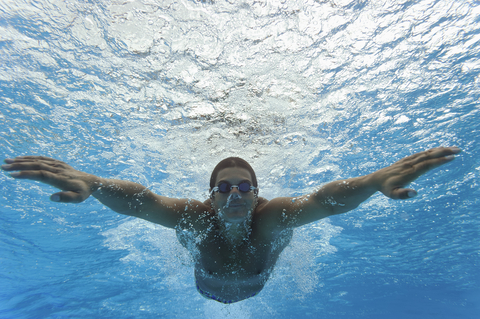
???????????????????????????????????????????????????????????????????????There is a view that butterfly is a very difficult, exhausting stroke, but this need not be so.

I learned to swim butterfly using the Shaw Method and from being completely unable to swim this stroke I can now manage several lengths.

Remember the key part of any stroke is the glide. In butterfly you glide as you bring your arms over your head and your body is moving forward and slightly upwards through the water.

Important points:

  • the key to a good smooth butterfly is the undulation
  • leading from the head, and keeping the feet together you need to ripple through the water using a dolphin kick
  • the ratio of kicks to arm movements is two to one, so two kicks to one arm movement
  • count one, two and on the second kick open the arms out slowly, like unfolding your wings and bring them forwards together in front of you
  • let your head follow the movement of your arms and body
  • breathe every other stroke
  • swim slowly and evenly and you will soon build up stamina and rhythm.

Shaw Method butterfly in action click here

Breaststroke

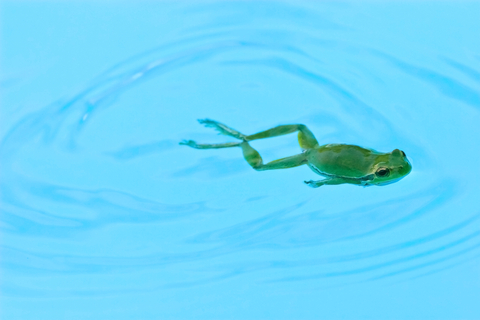
Frog swimming????????????????????????????????Breaststroke seems to be the most common swimming stroke, and many people see it as the easiest one, but it is also the one that is often done inefficiently. It is a badly named stroke in some ways because in breaststroke the power should come from the legs. Think of a frog. It has strong, powerful back legs and tiny feeble little arms. For most of us our legs are stronger than our arms and it makes sense to use them. But maybe because we call it breaststroke, many people use their arms to propel them forwards, which is very inefficient and makes it difficult to breathe effectively.

A strong but gentle leg kick should propel you into a smooth glide with your face in the water in order to maintain a streamlined position. Breathe out as you glide forward, then use a smallish circular arm movement to lift your head out of the water to inhale.

Add in a gentle undulation, angling your head downwards as you breath out and directing your body upwards for the in breath, and you will have a smooth, relaxing, gentle, yet powerful stroke.

Here is a good clear description of how to achieve a stress free breaststroke.

Fear of flying

?????????????????????????????????????????????????????????????????????????????I have worked with many non swimmers who tell me they are afraid of putting their faces in the water.  Although it is a common fear, putting your face in the water is easy and almost everyone can do it without a problem more or less straight away. I have never, ever had anyone finish a lesson without being able, quite happily, to put their face in the water. I tell them to hum a nice song. That way their mouth is closed and the air comes out of the nose, and they are also a bit distracted. They may be afraid of seeming foolish but in the water no one can hear you anyway.

A much more persistent fear, and one that is much more difficult to let go of, is the fear of floating. It is not usually an inability to float that is the problem, that is only very, very rarely the case; rather it is the fear of being ‘untethered’ and free. We are so used to holding on in life, that to let go and float is very difficult for some people.

One woman said that it felt like the moment when you are falling asleep and you suddenly catch yourself and wake yourself up with a start. This made a lot of sense to me. Similarly in the water, you are letting go and allowing yourself to float freely and for a non swimmer this can be an unfamiliar and frightening experience, and it can feel like falling if you don’t realise that the water is there to catch you. Not everyone can overcome this fear quickly. For some people it can take a long time to let go and trust the water. This is true for children as well as adults. Sometimes people are OK as long as they have something to hold on to. One pupil could swim as long as she was holding my hand, another one was fine as long as she could touch me with one finger. But as soon as I took my hand away, even though I was not supporting her at all, she got that falling feeling and was snatched by a panicky fear .

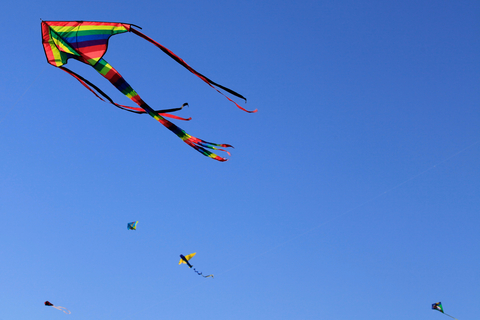
A woman I was teaching last week  who had been rather quiet until then told me she had just come back from a Kite festival in France. It sounded so beautiful watching all the colourful kites flying high up in the sky. I told her that swimming is the closest you can come to flying in scientific terms, and it is.

Not waving

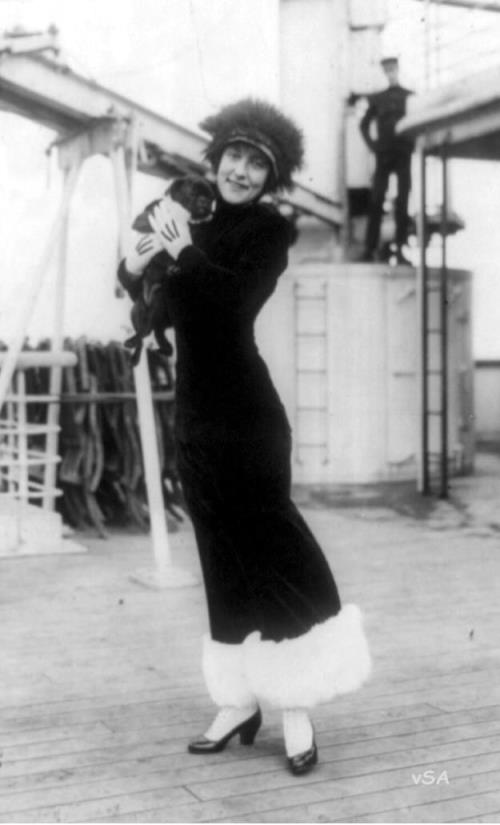
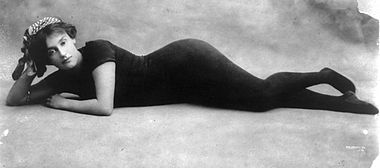
Annette Kellermann Annette Kellerman was the first woman to attempt to swim the channel. She also invented the one piece bathing costume for women (the wearing of which she was arrested for on the beach in 1908 in Massachusetts; although the case was dismissed because Kellermann argued that cumbersome costumes prevented women from learning to swim).

She published a book ‘How to swim’ in 1918.

To master the art of swimming is a duty which you owe not only to yourself but to others. By being able to swim, you lessen the chance of losing your own life, and also cease to become a source of danger to others in case of accident. Now if you will add to your swimming the accomplishment of life saving, you will become a positive element of safety to others.

and

The best thing that a non-swimmer can do to decrease his risk of drowning in case the boat upsets is learn to swim. Having neglected this precaution, the next best thing will be to have the presence of mind not to lose his sanity while he is drowning.

She goes on to qualify this last remark by explaining that

The non-swimmer is usually drowned by his own efforts. What he should do is remain perfectly quiet and float.

However

This advice to the drowning man is good advice; the only drawback is that when one is drowning one is not in the mood to appreciate its value.

‘How to swim’

Annette Kellermann - How to swim 1918

Annette Kellermann

‘Though it seems paradoxical, one must have absolute abandon and at the same time minute precision, to become a good swimmer.’

How to Swim – Annette Kellermann 1918